Introduction
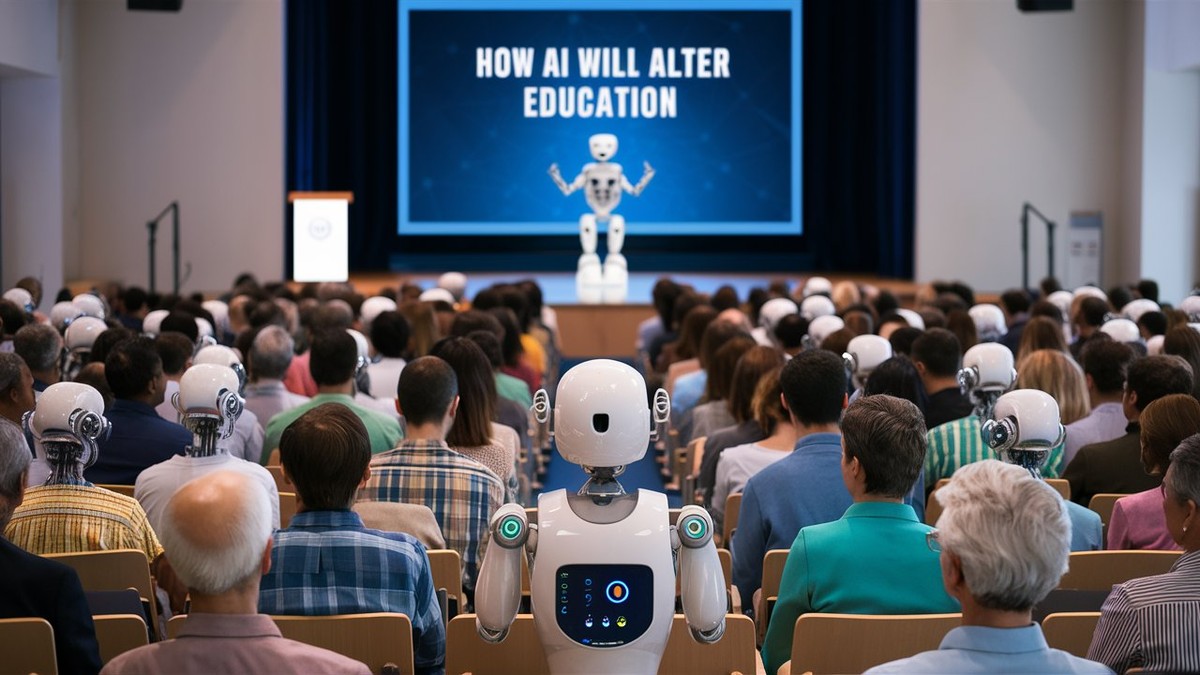
The advent of artificial intelligence (AI) has sparked a lot of discussion about its potential impact on various fields, including education. Will AI change education? The answer is multifaceted, as AI brings both opportunities and challenges. Here, we explore how AI might transform education while highlighting the irreplaceable role of teachers.
The Irreplaceable Role of Teachers
Empathy and Personal Growth
One fundamental aspect of education that AI cannot replicate is the empathy and emotional support that teachers provide. Education is not just about imparting knowledge; it’s about nurturing personal growth, fostering resilience, and building relationships. Teachers play a crucial role in understanding and responding to the emotional and psychological needs of their students, something AI is not capable of doing. Human connection, empathy, and the ability to inspire and motivate students are qualities that remain uniquely human.
How AI Will Transform Education
Data-Driven Learning Pathways
AI has the potential to revolutionise education by making it more data-driven. AI can analyse vast amounts of data to identify the most effective learning pathways for each student. By understanding individual learning styles and needs, AI can personalise education, ensuring that each student receives the support they need to succeed. This tailored approach can help students achieve better outcomes and make learning more efficient and effective.
Preparing Students for Future Careers
AI is not just a passing trend; it is here to stay. As AI becomes more integrated into various industries, students will need to be familiar with how to use it effectively. Teaching students to use AI tools will prepare them for the future job market, where AI proficiency will be an essential skill. By incorporating AI into education, we can ensure that students are well-equipped to navigate and thrive in an AI-driven world.
Making Teaching a Sustainable Career
The teaching profession has reached a critical point where workload and stress are driving many educators out of the field. AI can help make teaching a more sustainable career by alleviating some of the burdens associated with administrative tasks. LessonLab, for instance, offers AI tools that can automate grading, report generation, and lesson planning. This reduction in workload allows teachers to focus on what they do best: teaching and engaging with their students.
Additional Benefits of AI in Education
Enhancing Efficiency, Not Replacing Empathy
AI can be a powerful ally in the classroom, assisting with tasks that require structure and repetition. It can help educators manage large workloads and ensure consistency. However, it won’t ever truly understand a student the way a teacher does. AI can never replace the personal touch, empathy, and adaptability that define good teaching.
It’s also worth mentioning that AI can present risks. While security measures aim to keep students safe, AI can be manipulated if misused. Proper education for both teachers and students on how to use AI effectively and safely is crucial.
The Future of AI in the Classroom
Enhancing Student Engagement
AI can also enhance student engagement by providing interactive and adaptive learning experiences. AI-powered tools can offer instant feedback, gamify learning, and provide immersive simulations, making learning more engaging and enjoyable for students. By capturing students’ attention and making learning fun, AI can help improve student motivation and participation.
Supporting Diverse Learning Needs
AI has the potential to support diverse learning needs by offering personalised resources and interventions. For students with special educational needs, AI can provide customised learning materials and support tools that cater to their unique requirements. This inclusivity ensures that all students have the opportunity to succeed, regardless of their learning challenges.
Facilitating Lifelong Learning
AI can also promote lifelong learning by offering flexible and accessible educational opportunities. Online AI-powered platforms can provide continuous learning resources, allowing individuals to upskill and reskill throughout their lives. This flexibility supports a culture of lifelong learning, essential in an ever-changing job market.
Conclusion
Will AI change education? The answer is a resounding yes, but it will do so by complementing, not replacing, the essential role of teachers. AI will make education more personalised, data-driven, and efficient, preparing students for a future where AI skills are crucial. At the same time, it will help make teaching a more sustainable and rewarding career. By embracing AI, we can enhance the educational experience for both teachers and students, ensuring a brighter future for all.