Introduction
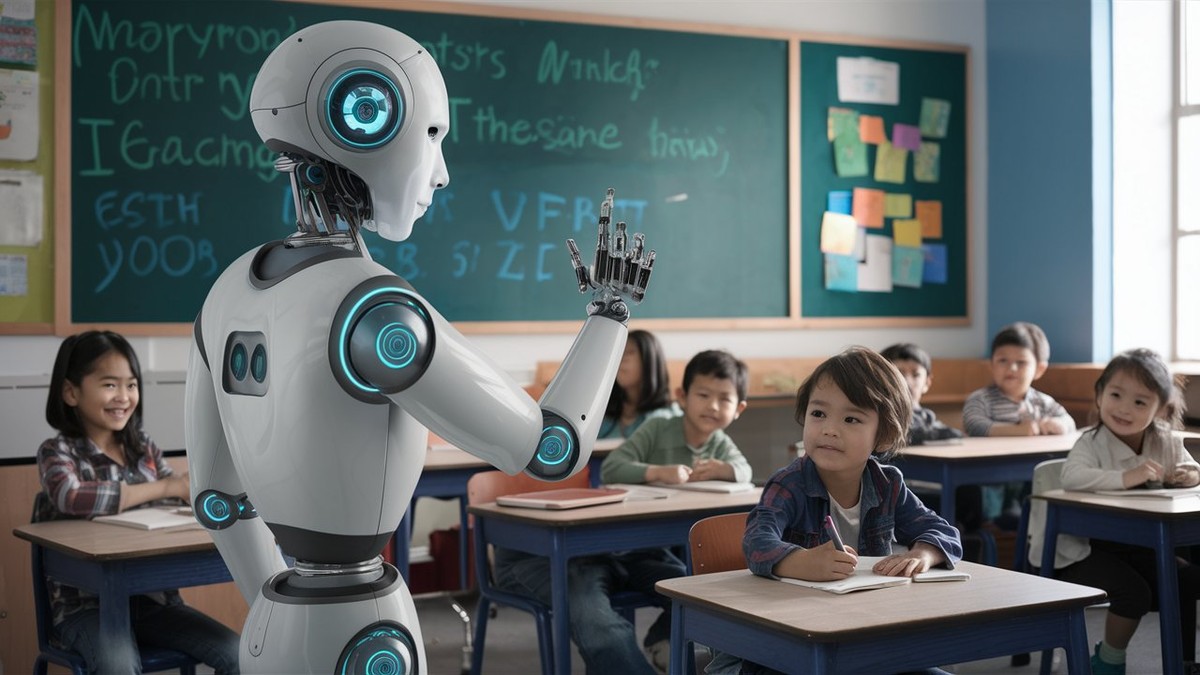
Teacher burnout is a global issue. As expectations for educators increase, the pressure can be overwhelming. Imagine working a 12-hour day only to spend your evening drafting a detailed lesson plan or researching historical facts. This is where AI comes in—not to replace teachers but to lighten their load, allowing them to focus on what really matters: the students.
AI’s Role in the Classroom
Automating Time-Consuming Tasks
AI has shown its value in education by taking on tasks that require time and attention but not the unique human touch that teachers bring to the classroom. It can automate grading, generate reports, and even help create lesson plans. These functions allow teachers to channel their energy into more direct student engagement and less into administrative tasks
Why Teachers Are Irreplaceable
The Human Touch in Education
The teacher’s role isn’t just about delivering content—it’s about fostering growth, building relationships, and understanding individual needs. While AI can manage a lot of data and generate reports, it can’t replace the unique insight a teacher has into their students. Teachers are responsible for guiding learning, supporting social development, and adapting to each student’s needs.
In the future, teachers might take on more of an invigilating role as students become more self-led in their learning. AI can be a helpful tool, but it doesn’t have the intuition to understand each student’s unique challenges and talents.
The Benefits and Limitations of AI in Education
Enhancing Efficiency, Not Replacing Empathy
AI can be a powerful ally in the classroom, assisting with tasks that require structure and repetition. It can help educators manage large workloads and ensure consistency. However, it won’t ever truly understand a student the way a teacher does. AI can never replace the personal touch, empathy, and adaptability that define good teaching.
It’s also worth mentioning that AI can present risks. While security measures aim to keep students safe, AI can be manipulated if misused. Proper education for both teachers and students on how to use AI effectively and safely is crucial.
The Future of AI in the Classroom
Supporting, Not Supplanting, Teachers
Looking ahead, AI will play a more significant role in supporting teachers without taking over their responsibilities. LessonLab aims to provide AI assistants to help students with smaller tasks, like checking spelling or providing quick answers to common questions. This can save teachers time and allow them to focus on more critical tasks, like personalised support and relationship-building with students.
Conclusion
AI isn’t here to replace teachers; it’s here to support them. By automating routine tasks and providing helpful resources, AI allows teachers to dedicate more time and energy to their primary goal: educating and inspiring students. As we embrace AI, we must remember that the human element in education is irreplaceable, and technology should always work to enhance, not replace, the teacher-student relationship.